
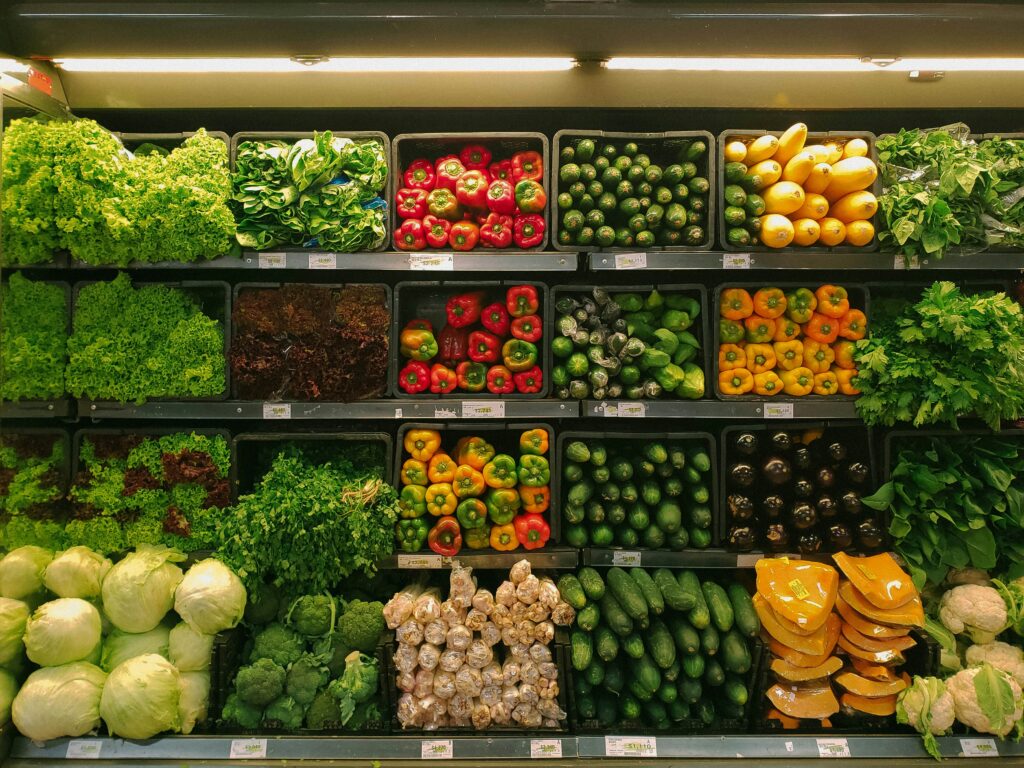
A Simple 7 Step Budget Grocery Planning System That Reduces Food Costs and Kitchen Stress
Affiliate Disclosure
Simply Unruffled participates in affiliate marketing programs. This means we may earn a commission if you click on a link and make a purchase, at no additional cost to you.
As an Amazon Associate, we earn from qualifying purchases. View our full affiliate disclosure.
We only recommend products and services we believe provide genuine value to our readers. These affiliate links help to keep this page otherwise free from annoying pop-up ads.
Is the Grocery Store a Stressful Place for you?
For many households, groceries are one of the most unpredictable parts of the monthly budget.
One week the total seems reasonable, and the next week it feels like the grocery bill has doubled. Even families who try to budget carefully often find that food spending slowly creeps higher over time.
The reason is very rarely a lack of discipline. More often, the problem is a lack of a simple kitchen system.
When grocery shopping happens without a clear plan, it is easy to buy too much, forget what is already in the pantry, or end up ordering takeout because dinner feels too complicated.
The good news is that grocery planning does not have to be difficult. A few simple habits can drastically cut food spending while making cooking easier throughout the week.
These habits are part of the Unruffled Kitchen Reset system, which focuses on building calm, reliable kitchen routines.
Why Grocery Budgets Often Fail
Many people attempt to control grocery spending by setting a strict budget. While this can be helpful, budgeting alone rarely solves the problem.
Common issues include:
• shopping without a meal plan
• forgetting what ingredients are already in the house
• buying ingredients that do not form complete meals
• relying on convenience foods when meals are not planned
The solution is not complicated budgeting techniques. Instead, the solution is creating a kitchen system that naturally reduces waste and unnecessary purchases.
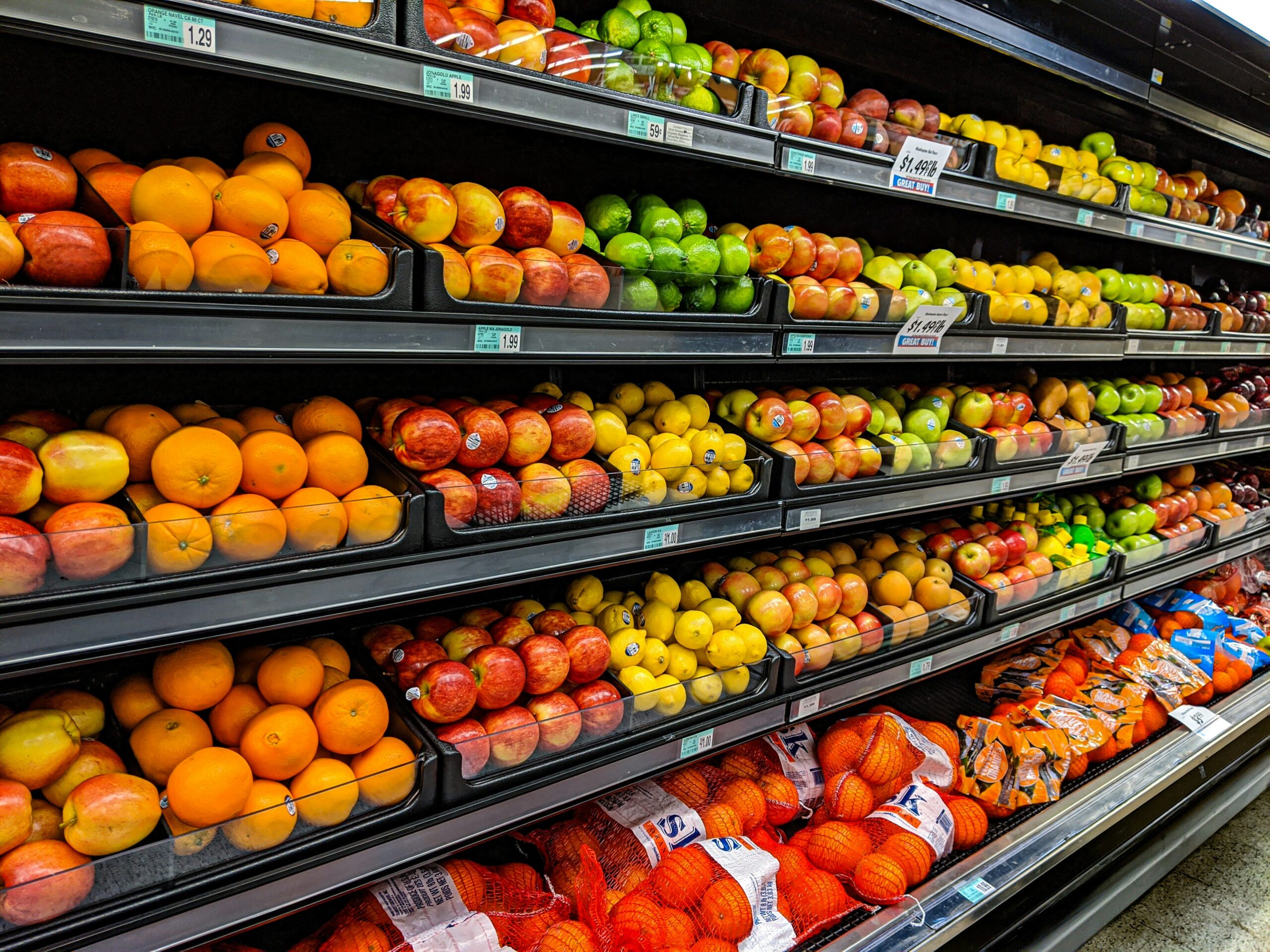
Step 1: Check What You Already Have
Before planning meals or writing a grocery list, start by looking through your kitchen.
Check the pantry, refrigerator, and freezer. You may discover ingredients that can already form the base of several meals.
This step prevents duplicate purchases and helps you use food before it expires.
Step 2: Plan Meals Around Your Pantry
Once you know what ingredients are available, build meals around those foods first.
Examples:
• pasta with canned tomatoes and garlic
• rice with frozen vegetables and chicken
• soup made from broth and leftover vegetables
Planning meals this way saves money and reduces food waste.
Step 3: Use a Simple Meal Flow Rotation
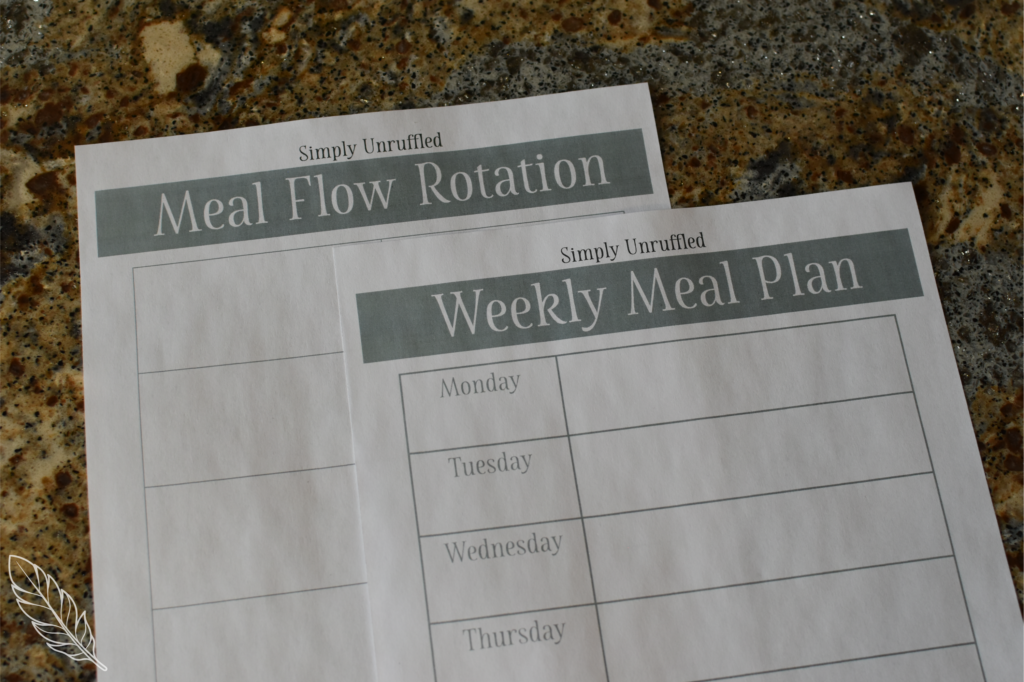
A meal flow rotation is a short list of meals your family enjoys that you prepare regularly. You may find our article How to Create a Simple 10-Meal Flow Rotation helpful.
Many households find that a rotation of about ten meals works well.
Example rotation meals:
• spaghetti
• tacos
• chili
• stir fry
• roasted chicken and vegetables
• soup and sandwiches
• baked potatoes
• breakfast for dinner
• slow cooker stew
• grilled sandwiches
Rotating dependable meals simplifies grocery planning and reduces decision fatigue.
Step 4: Create a Focused Grocery List
After meals are planned, write a grocery list based only on the ingredients needed.
Organizing the list by store sections can help:
- Produce
- Meat
- Dairy
- Pantry
- Frozen foods
A structured list makes shopping faster and prevents impulse purchases.
Step 5: Shop Once Per Week
Frequent grocery trips often lead to higher spending.
Shopping once per week allows time to review your pantry, plan meals, and write a thoughtful grocery list.
I actually do my main shopping every other week. Then, do a small produce run in between. This works well for me and my family since the big grocery store is not close to me, and the smaller stores that are nearby are often much more expensive. Planning this way saves money, and saves me mileage too!
Fewer trips also reduce impulse buying.
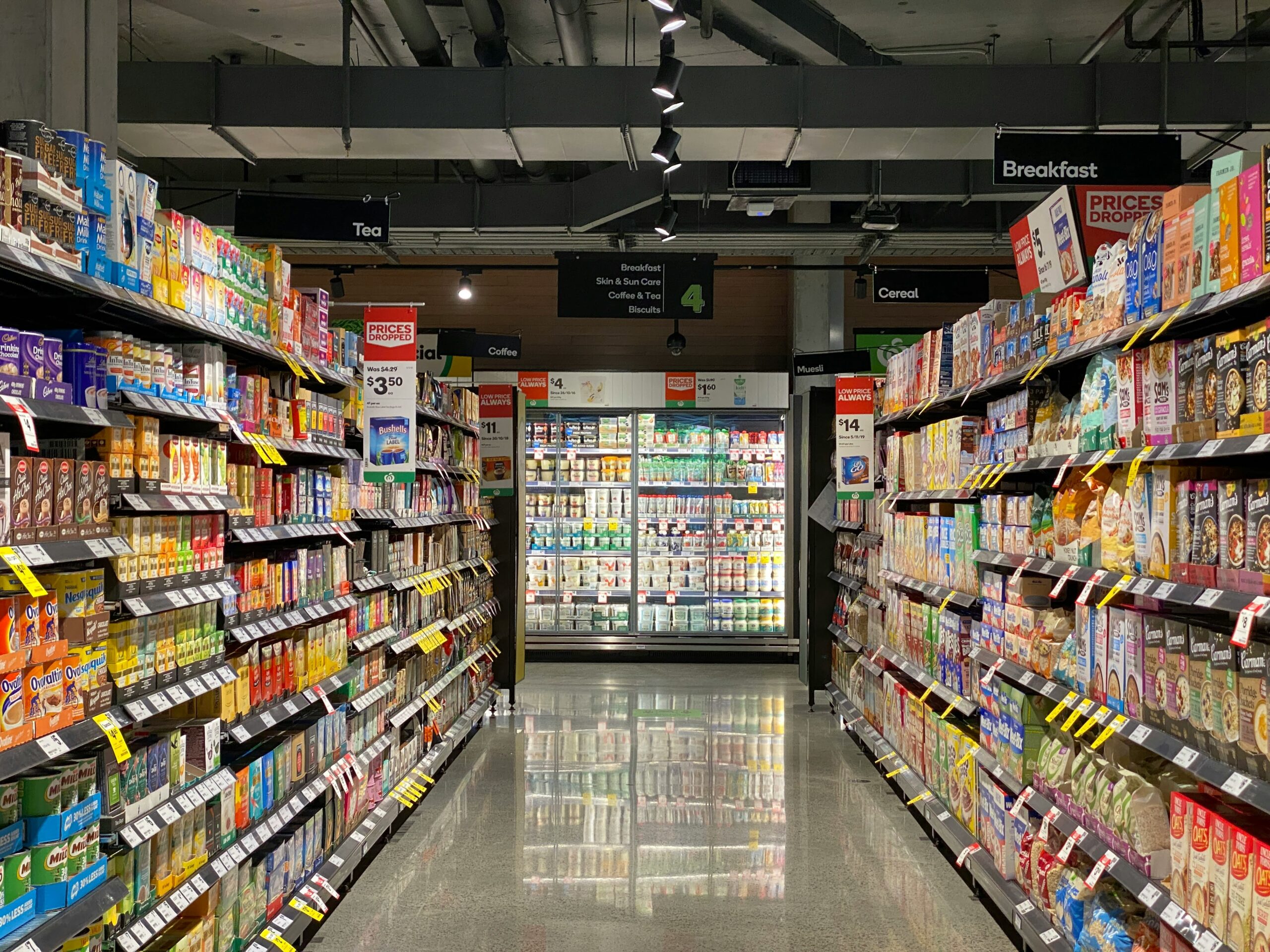
Step 6: Keep Pantry Staples on Hand
Maintaining a small group of dependable pantry staples helps prevent last‑minute grocery trips.
Examples include:
• rice
• pasta
• canned tomatoes
• beans
• broth
• oats
• cooking oils
• basic spices
With these ingredients available, many meals can be prepared quickly.
Step 7: Reduce Food Waste
Reducing food waste is one of the most effective ways to lower grocery spending.
Helpful habits include:
• keeping a visible pantry inventory
• storing leftovers where they are easy to see
• planning a weekly leftover night
You can also just plan to use leftovers as a completely different meal. If I only have to cook once and I get two meals out of it, I am a happy camper! Or sometimes I repurpose a main dish as a side dish in an upcoming meal. Soup and pasta dishes are great examples that make great side dishes.
Flexible meals such as soups, casseroles, and stir fries are excellent ways to use leftover ingredients.
The Real Goal of Budget Grocery Planning
The purpose of grocery planning is not strict budgeting.
The real goal is predictability.
When your kitchen includes pantry staples, meal rotations, weekly planning habits, and organized grocery lists, cooking becomes easier and grocery spending becomes much more manageable (and predictable!)
Start with the Kitchen Reset System
Budget grocery planning works best when it is part of a larger kitchen system.
The Unruffled Kitchen Reset connects simple habits such as pantry staples, meal rotations, weekly resets, and nightly resets.
Together these routines create a kitchen that runs smoothly without constant effort.
Your First Step Today
- Sign up for our newsletter so you never miss out on our great tips!
- Print your free Meal Flow and Weekly Meal Planner to make grocery budgeting easier
- Observe your pantry and what pantry staples are missing
Remember that momentum grows from small wins.
Small steps today build calm kitchens tomorrow.
Save This 7 Step Budget Grocery Planning for Beginners for Later
If this 7 Step Budget Grocery Planning for Beginners feels like the chaos control you’ve been needing, save it to Pinterest so you can come back to it when you’re ready to start.
Tools to Help You With Your 7 Step Budget Grocery Planning
- Digital Family Calendar
- Airtight Pantry Containers
- Lazy Susan Organizers
- Pantry Cabinet
- Pantry Snack Bins
- Can Organizer
Other Articles in the Unruffled Kitchen System Series
- The Unruffled Kitchen Reset
- How to Create a 10-Meal Flow Rotation
- Pantry Staples for a Calm Kitchen
- 15-Minute Nightly Kitchen Reset
- How to Reduce Food Waste at Home
- How to Organize Your Pantry for Stress-Free Cooking
- The Calm Kitchen Checklist (Daily, Weekly, Monthly)
Talk to Me
Let me know how this 7 Step Budget Grocery Planning for Beginners is going for you?
Did this help you?
What can we add or improve?
What didn’t work for you?
We are always trying to bring you tools and systems that you actually want to use. Things to make a real difference in your everyday life. We want to ease stress levels and bring practical, calm systems and solutions to you and your home. Let us know how we can do that.
If you’re not comfortable commenting publicly, feel free to email us.
And as always, thank you for your support.
