
Reduce Food Waste at Home – Simple Kitchen Habits That Save Money and Simplify Cooking
Affiliate Disclosure
Simply Unruffled participates in affiliate marketing programs. This means we may earn a commission if you click on a link and make a purchase, at no additional cost to you.
As an Amazon Associate, we earn from qualifying purchases. View our full affiliate disclosure.
We only recommend products and services we believe provide genuine value to our readers. These affiliate links help to keep this page otherwise free from annoying pop-up ads.
Food waste is one of the quiet frustrations of everyday cooking.
A bag of vegetables disappears in the refrigerator drawer. Leftovers sit in containers until no one remembers what they were. Pantry items expire in the back of cabinets.
Most households throw away far more food than they realize.
The good news is that reducing food waste does not require complicated systems or strict rules. Instead, it comes from a few simple kitchen habits that make food easier to see, easier to use, and easier to plan around.
These habits are part of the Unruffled Kitchen Reset system, which focuses on creating a calm and efficient kitchen.
Why Food Waste Happens
Food waste rarely happens because people are careless. More often, it happens because food becomes invisible.
Common causes include:
• buying groceries without checking what is already in the kitchen
• forgetting leftovers in the refrigerator
• purchasing ingredients for recipes that are never cooked
• storing food where it cannot easily be seen
When food becomes hard to see or remember, it eventually gets thrown away.
Start with a Kitchen Inventory
One of the easiest ways to reduce food waste is to keep track of what you already have.
Before grocery shopping or planning meals, check three areas:
• pantry
• refrigerator
• freezer
This simple step prevents duplicate purchases and encourages using ingredients before they expire.
You know you need to use up that pack of pork chops in the freezer!
Plan Meals Around What Needs to Be Used
Instead of beginning meal planning with new recipes, start with the ingredients that are already in your kitchen.
Ask yourself: What needs to be used soon?
Vegetables in the refrigerator, leftover rice or pasta, and open containers of broth or sauce can often become the starting point for your next meal.
Pro Tip: We put a date all of our leftover containers (and Zip-loc bags) with a piece of masking tape before they go into the fridge. We even date leftover bread that will go into the cupboard. It’s hard to remember sometimes how old something is without a date on it.
Create a Weekly Leftover Night
Leftovers are one of the most common sources of food waste.
Scheduling one evening each week as leftover night helps clear the refrigerator before the next grocery trip.
Leftovers can be served buffet-style or combined into meals such as soups, casseroles, or stir fry.
Use Flexible ‘Use-It-Up’ Meals
Certain meals are excellent for using ingredients that might otherwise go to waste.
Examples include:
Soup – combine vegetables, grains, and meat with broth.
Stir Fry – cook vegetables, rice, noodles, and proteins together.
Fried Rice – use leftover rice and vegetables.
Casseroles – combine multiple ingredients into one dish.
These flexible meals make it easy to use small amounts of leftover foods.
Store Food Where It Is Easy to See
Visibility is one of the most powerful ways to reduce food waste.
Helpful habits include:
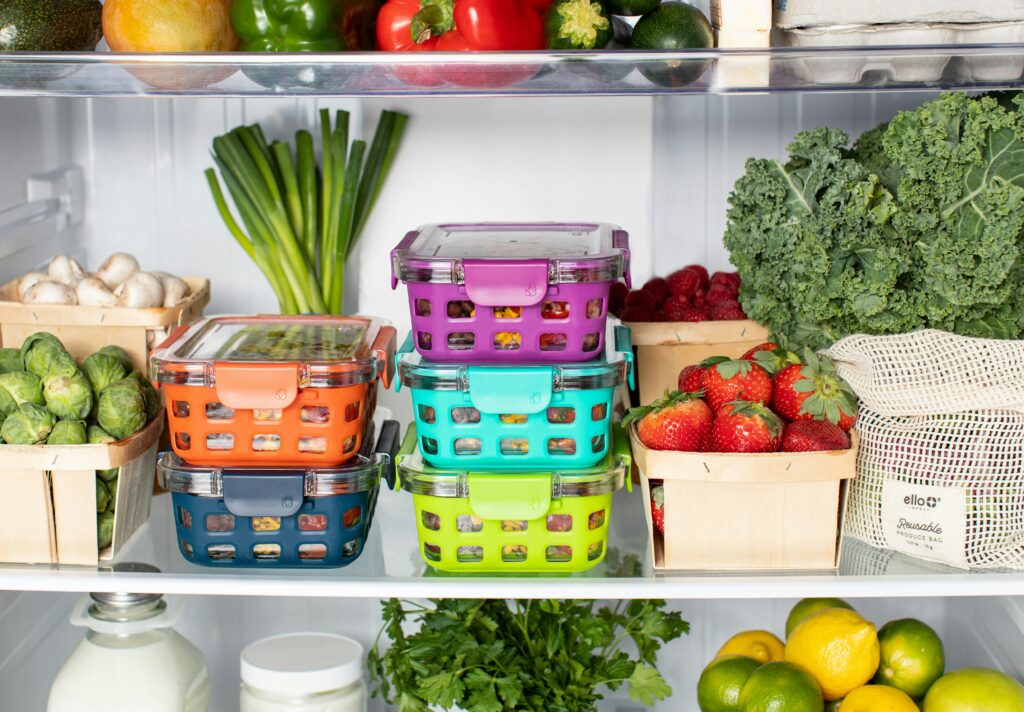
• placing leftovers at eye level
• storing older foods toward the front
• rotating new groceries behind older items
When food is easy to see, it is much more likely to be used.
Take it For Lunch
One of the easiest ways to reduce food waste is to take those leftovers for lunch to work or school.
My daughter’s school has microwaves available, so it’s a very easy option for her to take some leftovers.
My husband also takes leftovers as often as possible, so he isn’t stuck eating fast food or sandwiches every day for lunch.
Freeze it
If you really want to reduce food waste in your home, then you freeze any leftovers that you can’t eat in a reasonable timeframe.
Not everything freezes well, but generally pasta dishes, vegetables, ground meat all do very well. I often make a double batch of taco meat so I can throw some in the freezer – it’s a huge timesaver!
Keep Pantry Staples Simple
An overstocked pantry can create waste when ingredients expire before they are used.
Instead, maintain a small group of dependable staples such as:
• rice
• pasta
• canned tomatoes
• beans
• broth
• oats
These staples make it easier to create meals using fresh ingredients that need to be used first.
The Financial Benefits of Reducing Food Waste
Reducing food waste can significantly lower grocery spending.
When ingredients are used efficiently:
• fewer groceries need to be purchased
• leftovers replace additional meals
• expensive ingredients are not thrown away
Even small improvements can lead to meaningful savings over time.
How Food Waste Fits Into the Kitchen Reset System
Reducing food waste becomes much easier when it is part of a larger kitchen system.
The Unruffled Kitchen Reset includes habits such as:
• weekly pantry and refrigerator inventory
• simple meal rotations
• pantry staples for flexible meals
• nightly kitchen resets
Together, these routines help keep food moving through the kitchen instead of into the trash.
Your First Step Today
- Sign up for our newsletter so you never miss out on our great tips!
- Print your FREE Meal Flow and Weekly Meal Planner
- Check out your pantry, fridge and freezer before making your shopping list.
Remember that momentum grows from small wins.
Small steps today build calm kitchens tomorrow.
Save This How to Reduce Food Waste for Later
If this How to Reduce Food Waste at Home feels like the chaos control you’ve been needing, save it to Pinterest so you can come back to it when you’re ready to start.
Tools to Help You With Reducing Food Waste
- Digital Family Calendar
- Airtight Pantry Containers
- Lazy Susan Organizers
- Pantry Cabinet
- Pantry Snack Bins
- Can Organizer
Other Articles in the Unruffled Kitchen System Series
- The Unruffled Kitchen Reset
- How to Create a 10-Meal Flow Rotation
- The 15-Minute Nightly Kitchen Reset
- Budget Grocery Planning for Beginners
- Pantry Staples for a Calm Kitchen
- How to Organize Your Pantry for Stress-Free Cooking
- The Calm Kitchen Checklist (Daily, Weekly, Monthly)
Talk to Me
Let me know how the How to Reduce Food Waste at Home is going for you?
Did this help you?
What can we add or improve?
What didn’t work for you?
We are always trying to bring you tools and systems that you actually want to use. Things to make a real difference in your everyday life. We want to ease stress levels and bring practical, calm systems and solutions to you and your home. Let us know how we can do that.
If you’re not comfortable commenting publicly, feel free to email us.
And as always, thank you for your support.
